Choosing an Alarm with 111 Calling for Senior Safety in New Zealand
Why Emergency Alarms Matter for Older New Zealanders
When you live alone or spend long hours at home, a simple fall can become a serious crisis. I have seen this firsthand with my own mother, who lives in a quiet suburb of Christchurch. She is fiercely independent, but her balance is not what it used to be. For years she resisted the idea of a medical alert, worried it would make her feel old or dependent. Then she tripped over a rug and lay on the floor for almost an hour before a neighbour heard her calling out. That experience changed her mind completely.
What she needed was an alarm with 111 calling. Not just a pendant that alerts a family member, but one that connects directly to New Zealand's emergency services when every second counts. In this article I want to share what I have learned about these devices, the trade-offs between different options, and how to choose one that truly fits your life or the life of someone you care for.
What an Alarm with 111 Calling Really Does
A standard medical alert lets you press a button and speak to a call centre. But an alarm with 111 calling takes that a step further. When you push the button, the system either connects you straight to a 111 operator or routes through a monitoring service that can patch you through to emergency services. The key difference is speed and directness. Instead of waiting for a family member to check their phone, the call goes to people trained to handle medical emergencies.
For seniors in New Zealand, this is especially important because our emergency services are centralised and well-coordinated. St John New Zealand handles ambulance dispatch in many regions, and their paramedics respond quickly when they have clear information about your location and condition. A good alarm with 111 calling gives them that information automatically.
Key Features to Look For
Family Monitoring and Two-Way Calling
One of the most reassuring features is family monitoring. This means that when you press the alarm, a notification goes to your nominated family members or caregiver at the same time the call centre is alerted. They can listen in or speak to you through the device's two-way calling function, even if they are across town or in another part of New Zealand. I have seen how this reduces anxiety for adult children who worry about their parents but cannot be there all the time.

Two-way calling also lets the emergency operator talk to you directly through the pendant or base unit. You do not need to pick up a phone. You can explain what happened while still lying on the floor, which is far less stressful than trying to crawl to a handset.
GPS Tracking for When You Are Out and About
Many modern medical alerts include GPS tracking. If you are walking the dog, gardening, or visiting the local shops, the alarm works wherever you are. The GPS tracker sends your location to the monitoring centre or to your family. For someone with dementia who might wander, this feature can be lifesaving. I have heard stories from families who used GPS tracking to find a loved one who got confused and walked kilometres from home.
Fall Detection That Works Automatically
Fall detection is another feature worth considering. Not every fall happens when you are conscious or able to press a button. A device with automatic fall detection senses the impact and angle of a fall and calls for help even if you cannot move. The technology has improved a lot in recent years. Brands like Philips Lifeline and Life Alert have refined their sensors to reduce false alarms, though no system is perfect. Bay Alarm Medical also offers a fall detection pendant that many users find reliable.
Comparing the Options
When my mother started looking for an alarm with 111 calling, we compared several systems. Here is a quick run-through of what we found:
- GreatCall (now part of Best Buy Health) offers the Lively Mobile Plus, which has GPS and fall detection. It works well in the United States but its New Zealand support depends on roaming agreements, so check coverage carefully.
- Philips Lifeline is a well-known name with auto-alert fall detection and a waterproof pendant. They have a strong reputation for reliability, but their New Zealand pricing can be high and some plans lock you into a contract.
- Bay Alarm Medical provides a GPS cellular medical alert with nationwide coverage. Their customer service is good, but again, New Zealand-specific support may vary.
- NZ Telehealth is a local provider that understands the New Zealand emergency system. They offer pendants with fall detection and direct 111 connectivity, which is reassuring if you want a device designed for our infrastructure.
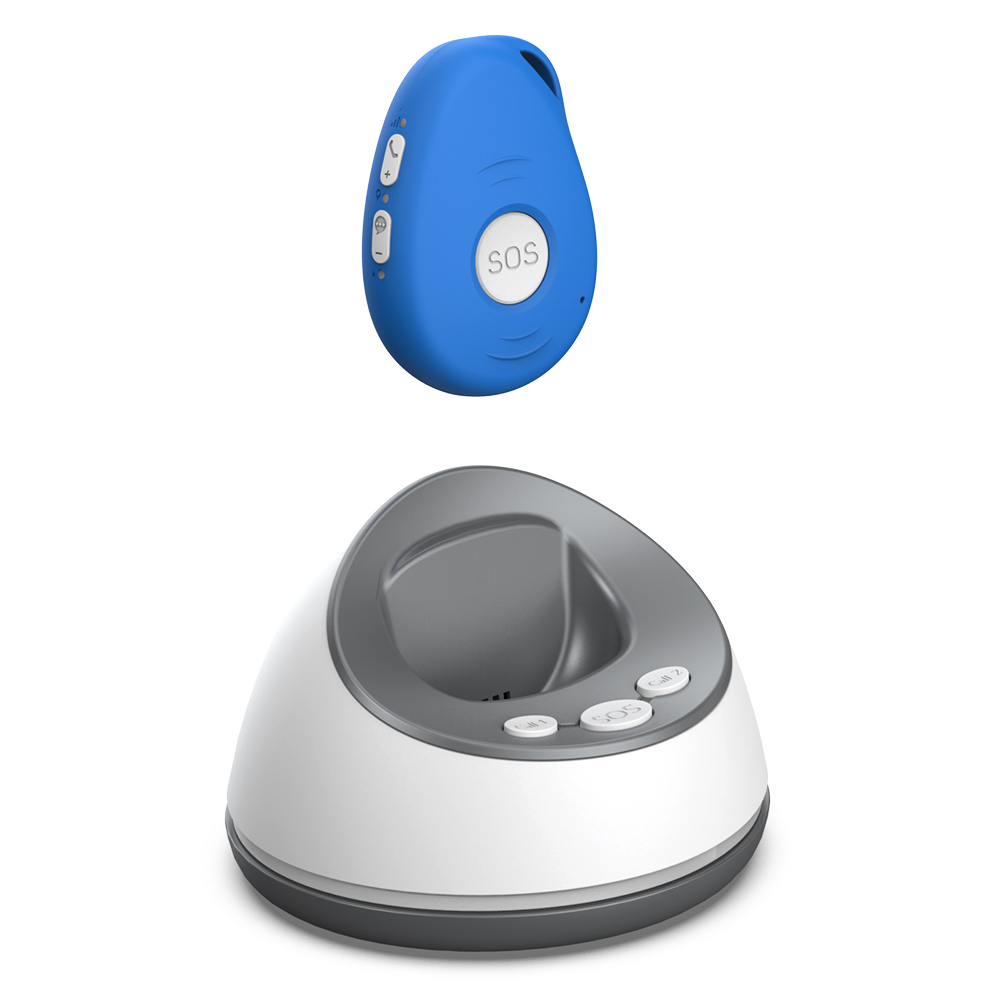
- Familyr is another New Zealand option that focuses on family monitoring and two-way calling with no monthly fees. Their alarm with 111 calling is built around the idea that family members want to stay involved without paying ongoing subscription costs.
The trade-off is often between upfront cost and monthly fees. Systems that charge no monthly fees typically require you to buy the hardware outright. Subscription models spread the cost but can add up over years. For a long-term solution, the no-fee approach can save hundreds of dollars over time, but you need to be comfortable with the initial outlay.
Why Direct 111 Access Matters
Some medical alerts only call a private monitoring centre, which then decides whether to call 111. That extra step can cost precious minutes. A direct alarm with 111 calling bypasses that middle layer. You press the button and speak to a trained operator who can dispatch an ambulance, the fire service, or the police as needed. For a heart attack, a stroke, or a severe fall, those minutes are the difference between a quick recovery and permanent injury.

St John New Zealand and the ACC (Accident Compensation Corporation) both recommend that older adults have a plan for getting help quickly. Healthline also advises keeping a list of emergency contacts near the phone, but a wearable alarm is more reliable because it goes with you everywhere, even into the bathroom where many falls happen.
How Technology Has Evolved
Early medical alerts were simple pendants that connected to a landline. If you fell in the garden, the pendant was useless unless you were near the base unit. Today, devices work over cellular networks. Vodafone and other mobile carriers provide the backbone for GPS tracking and two-way calling. Many pendants are also compatible with smartphones. You can find apps for both Samsung and Apple phones that let family members check your status and location.
This shift to mobile technology means you are not tethered to your home. You can wear the alarm on a neck pendant or as a wristband, and it works at the supermarket, on the bus, or while visiting friends. For seniors who are still active, this independence is priceless. You can maintain your social life and daily routines without worrying about being stranded if something goes wrong.
Practical Advice for Choosing
Based on my experience helping my mother and talking to other families, here are a few practical tips:
- Think about where you spend most of your time. If you are almost always at home, a base-station model with a long-range pendant might be enough. If you are out frequently, choose a system with built-in GPS tracking.
- Test the two-way calling feature before committing. Some pendants have tiny speakers that are hard to hear, especially for someone with hearing loss. Make sure the voice is clear and loud enough.
- Check the battery life. Some devices need charging every day; others last a week or more. A pendant that runs out of power when you need it is no help at all.
- Consider whether you want family monitoring. If you have a caregiver or adult children who live nearby, being able to alert them directly can be faster than going through a call centre.
I remember a friend whose father had a stroke while he was alone in his workshop. He managed to press his alarm with 111 calling, and because the system included GPS tracking, the ambulance found him in a shed behind the house. The paramedics later said that if he had waited another fifteen minutes, the outcome would have been very different. That story stays with me.
Final Thoughts
Choosing a medical alert is a personal decision. There is no one-size-fits-all answer. What works for a fit seventy-year-old who travels may not suit an eighty-five-year-old with limited mobility. The important thing is to find an alarm with 111 calling that matches your lifestyle, your health needs, and your budget.
New Zealand has excellent emergency services, but they can only help if they are called quickly. A good alarm bridges that gap. It gives you a voice when you cannot reach a phone, and it gives your family peace of mind knowing you are never truly alone. Whether you go with a local provider like NZ Telehealth or a global brand like Life Alert, the core requirement is the same: the device must connect you to help the moment you need it. That is what senior safety is all about.